Our Destinations

Adventures Begin

Destinations Spotlight

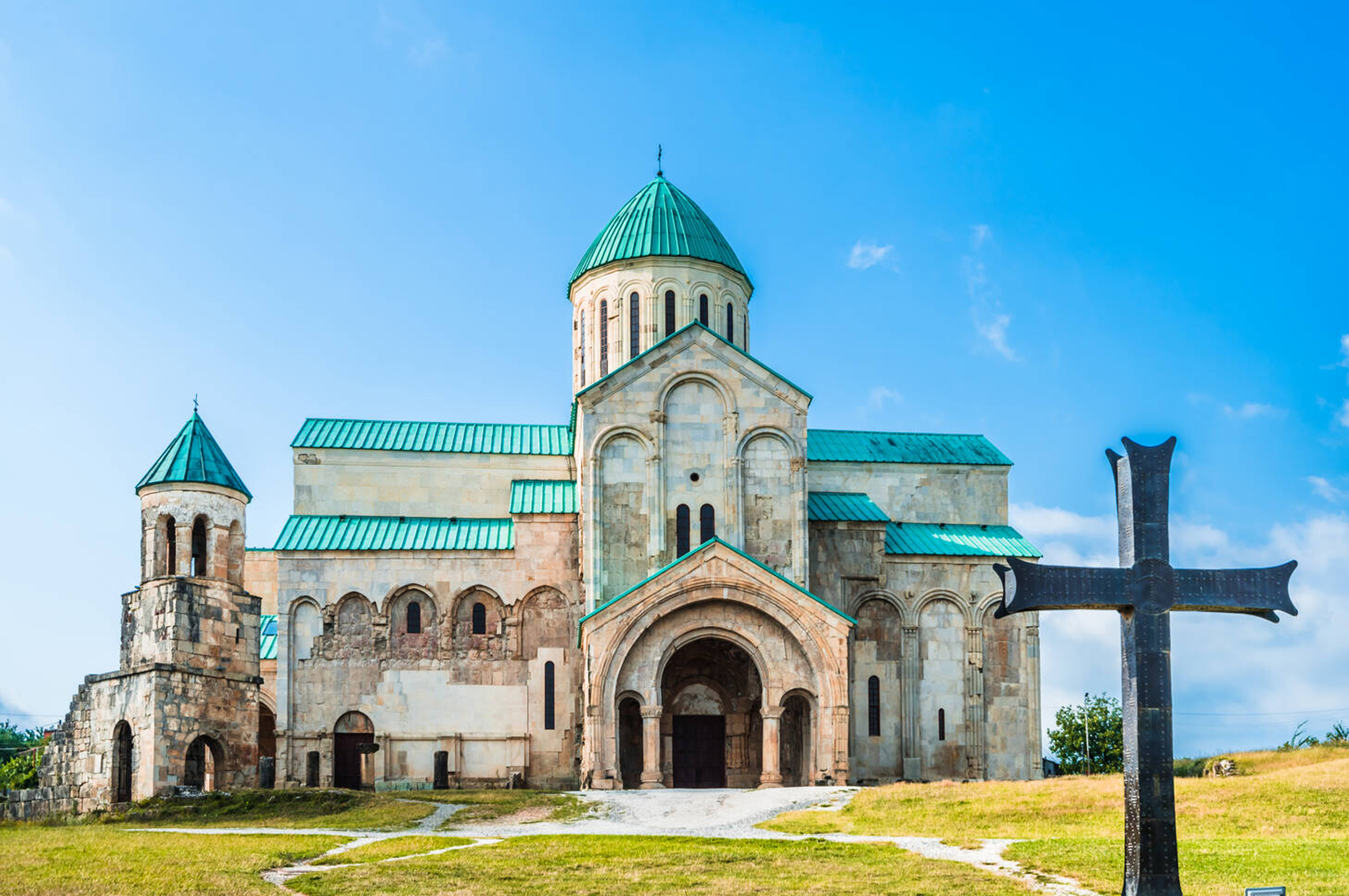
In the 4th century Christianity spread to Georgia and became the country’s main religion. Georgia was conquered three centuries later by the Arabs and then in the 11th century by the Seljuk Turks. During that time Georgia had already begun the process of consolidating its feudal principalities and by the 12th century they were united under David the Builder into a single Georgian state. A united Georgia was strong enough to expel the Turks, regain independence and conquer large parts of neighboringArmenia. The birth of a newly independent Georgia inspired a resurgence of national spirit, which was reflected in the period’s burst of cultural development, especially in architecture. Georgia’s largest cathedrals were built during that time, including Bagrati Church in Kutaisi (1003), the temple of Sveti-Tskhoveli in Mskheta (1010-1029), Alaverdi temple (first quarter of the 11th century) and Samtavisi Church (1030). David the Builder also founded one of Georgia’s most influential monasteries, Gelati (1106-1125), near Kutaisi. The complex included a magnificent main temple and an academy building. In the 13th century Georgia was once again conquered, this time by the Mongols. Later, it fell under the reign of both the Persian and Ottoman Empires. It remained a colony until the mid-18th century when it once again declared itself a kingdom. In 1801 it became a protectorate of the Russian Empire. The following 200 years of Georgia’s history merges with Russia’s as it was turned into a province of the Tsar’s empire and then later into a Soviet republic. Georgia enjoyed a brief window of independence following the 1917 Revolution and the fall of the tsar. However, this was short lived and in 1922 the country fell into the hands of Soviet powers and, together with Armenia and Azerbaijan, became the Transcaucasia Soviet Federative Socialist Republic, which joined the USSR in 1936. In 1991 Georgia declared independence from the USSR and a year later received UN membership. 

Tiblisi

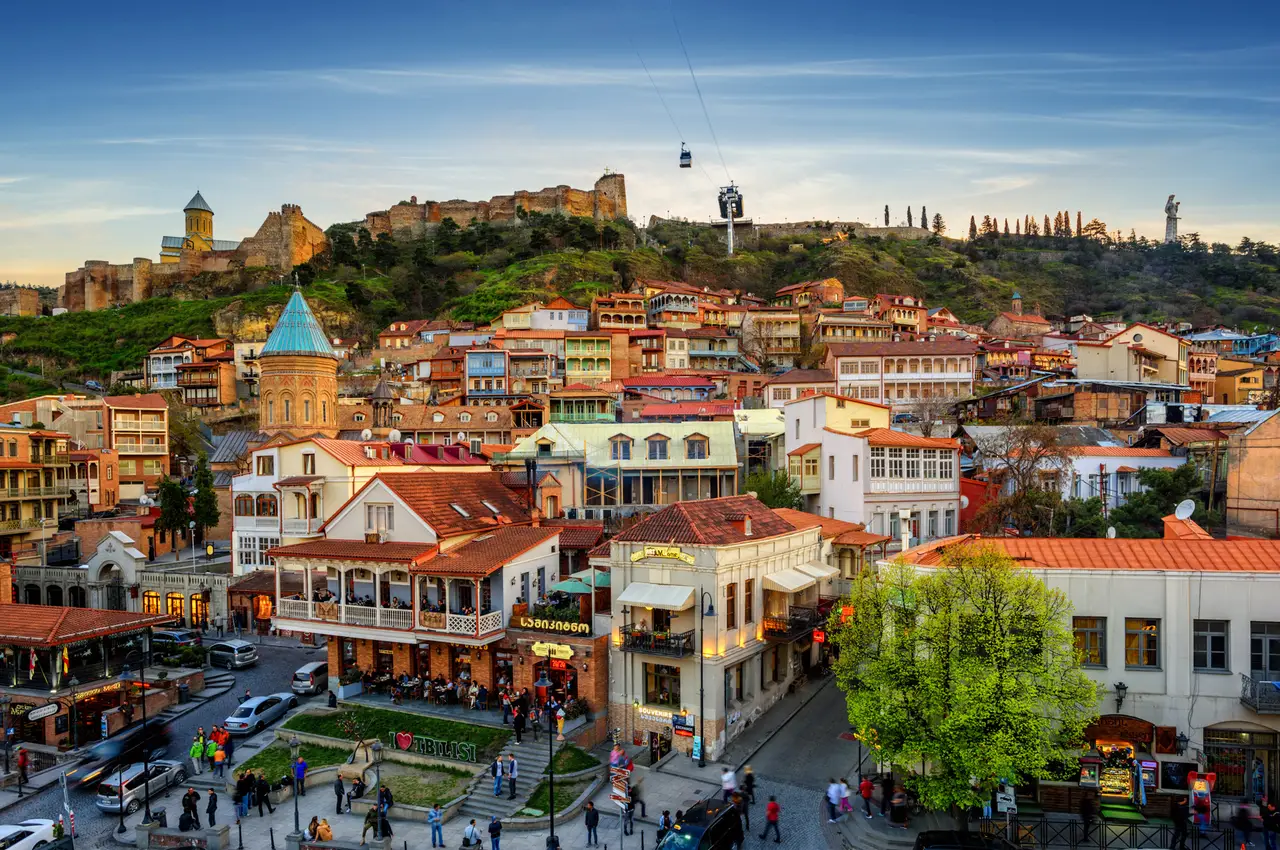
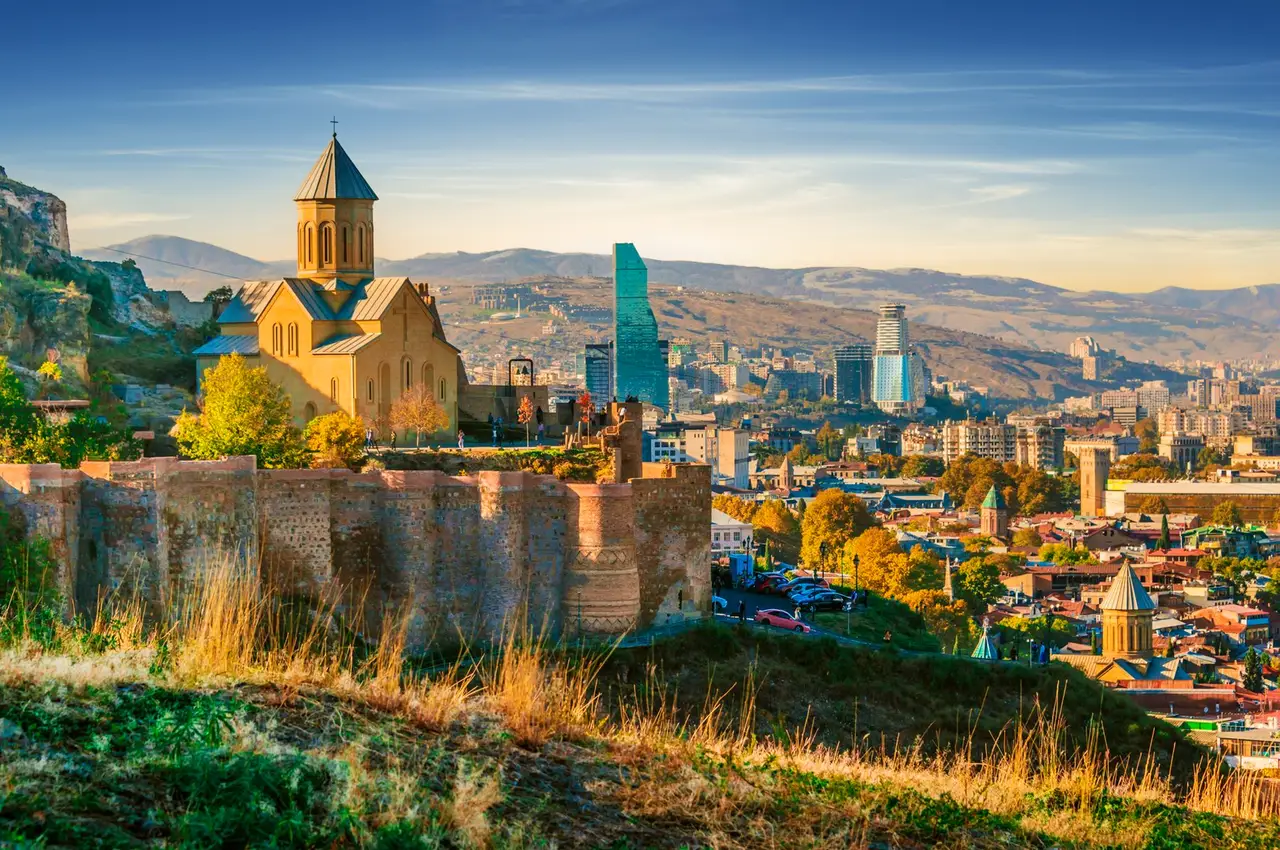
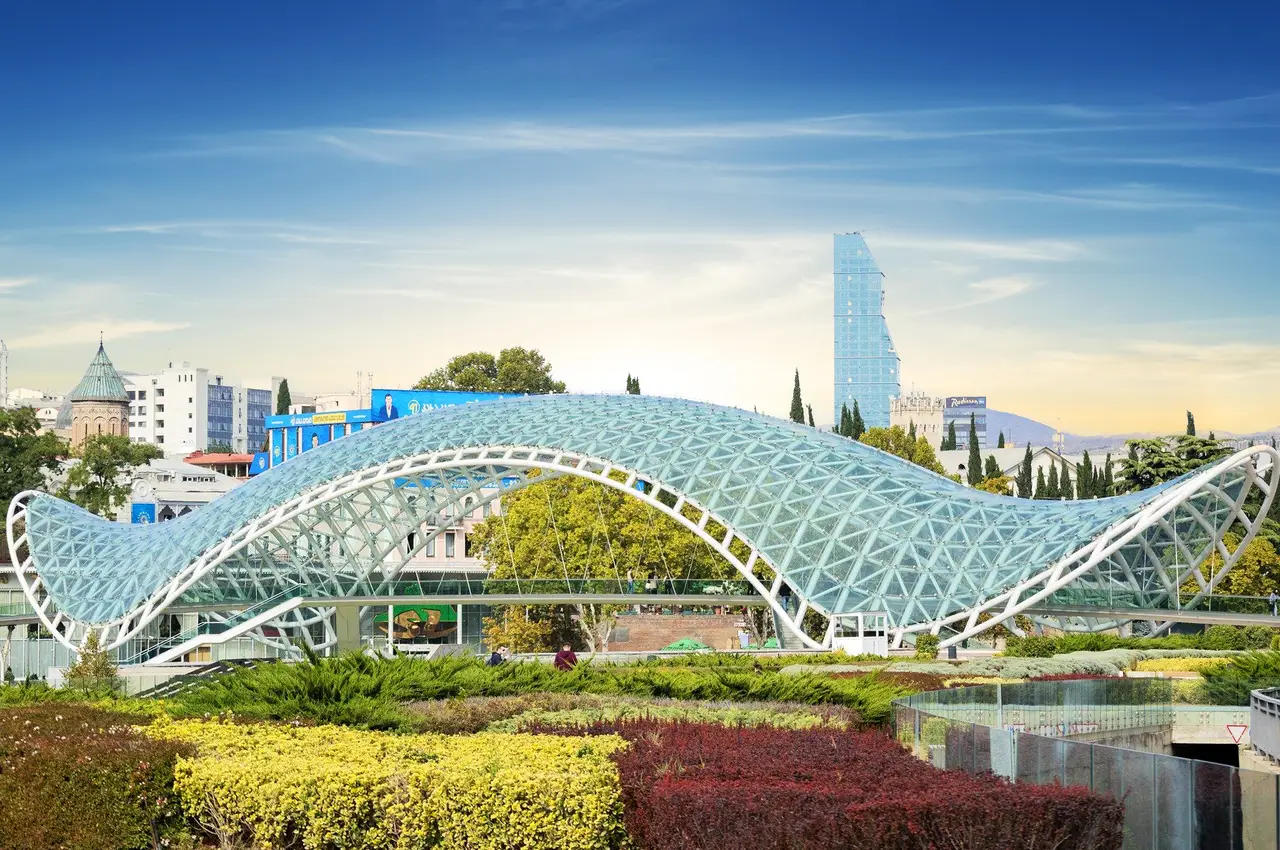
The capital city, Tbilisi, is known for its unique architecture that blends medieval, classical, and Soviet-era styles. Key attractions include:
Old Tbilisi: Characterized by narrow streets and colorful houses with wooden balconies.
Narikala Fortress: Offers panoramic views of the city.
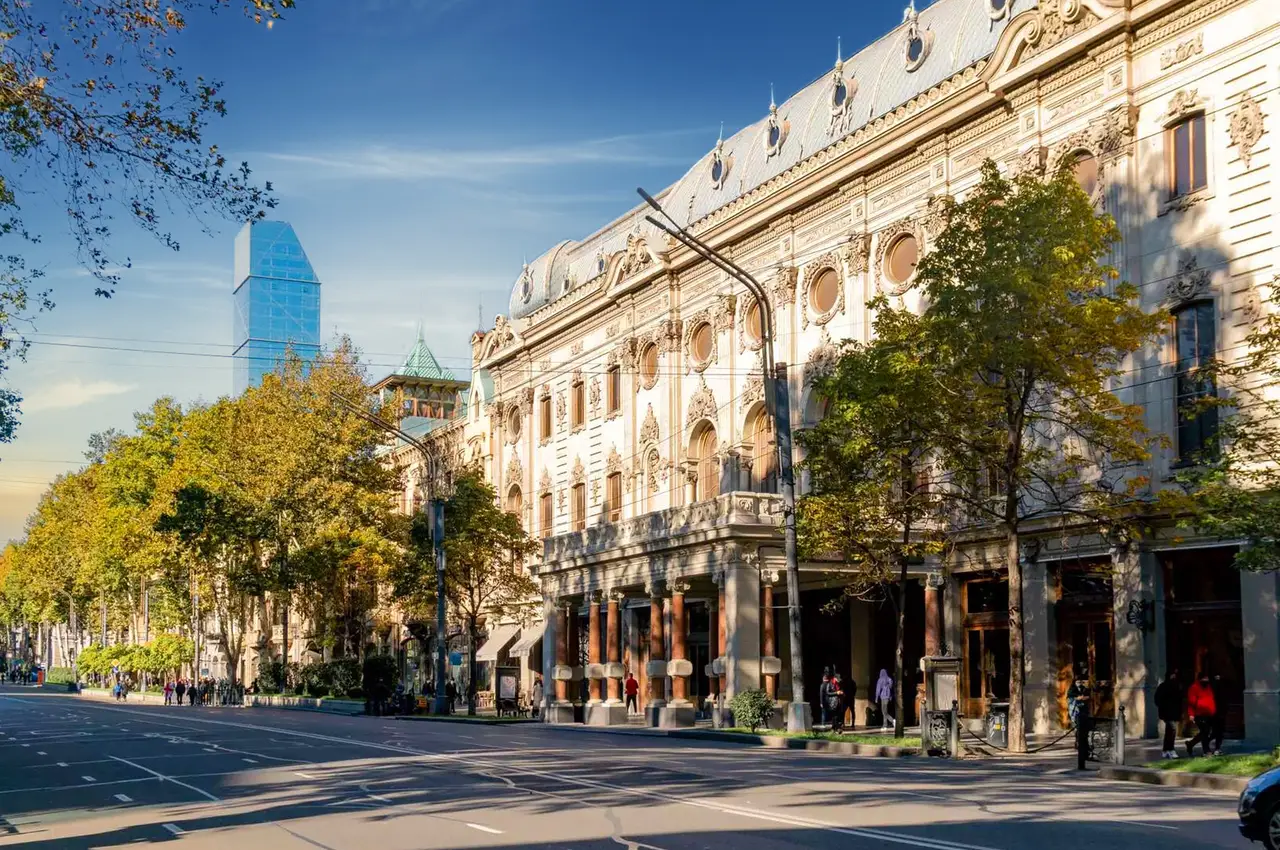
Rustaveli Avenue: The main thoroughfare lined with theaters, museums, and shops.
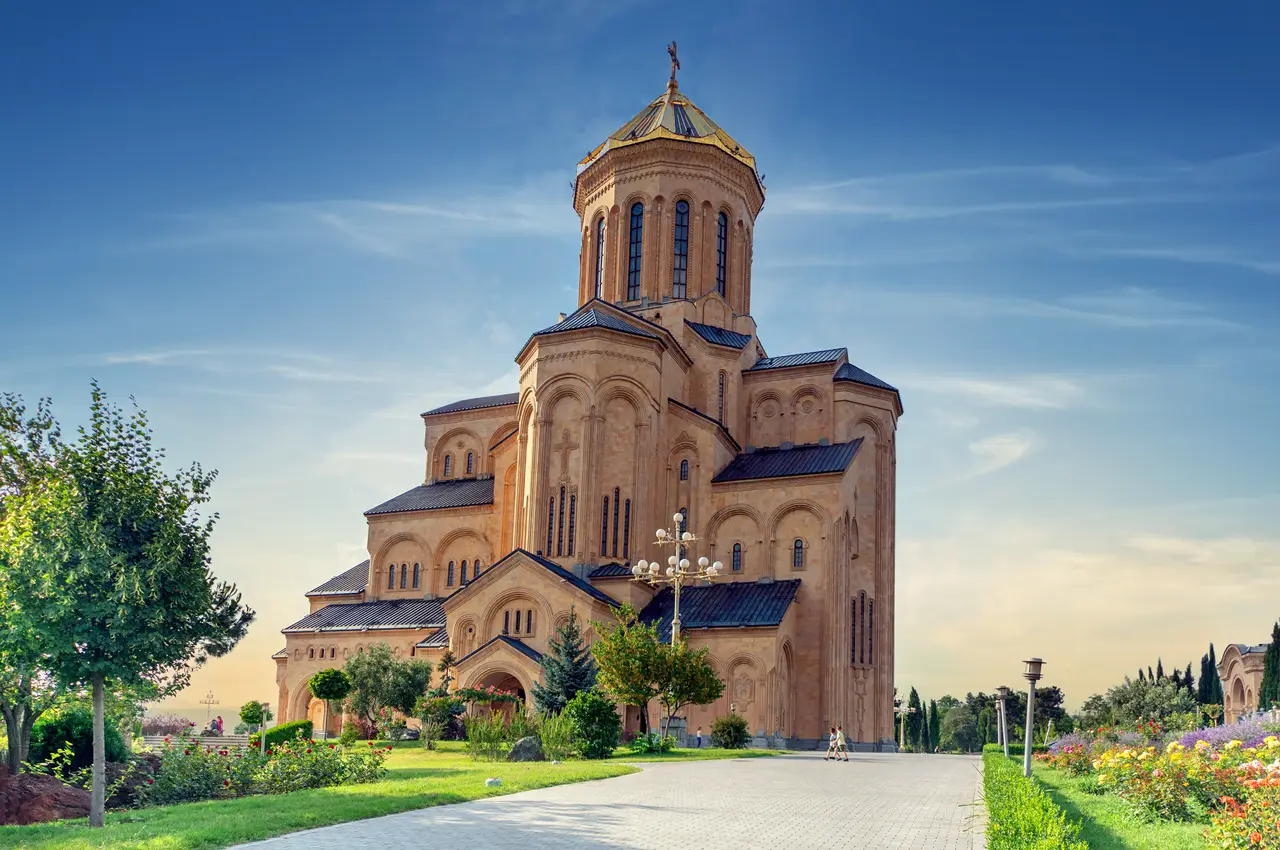
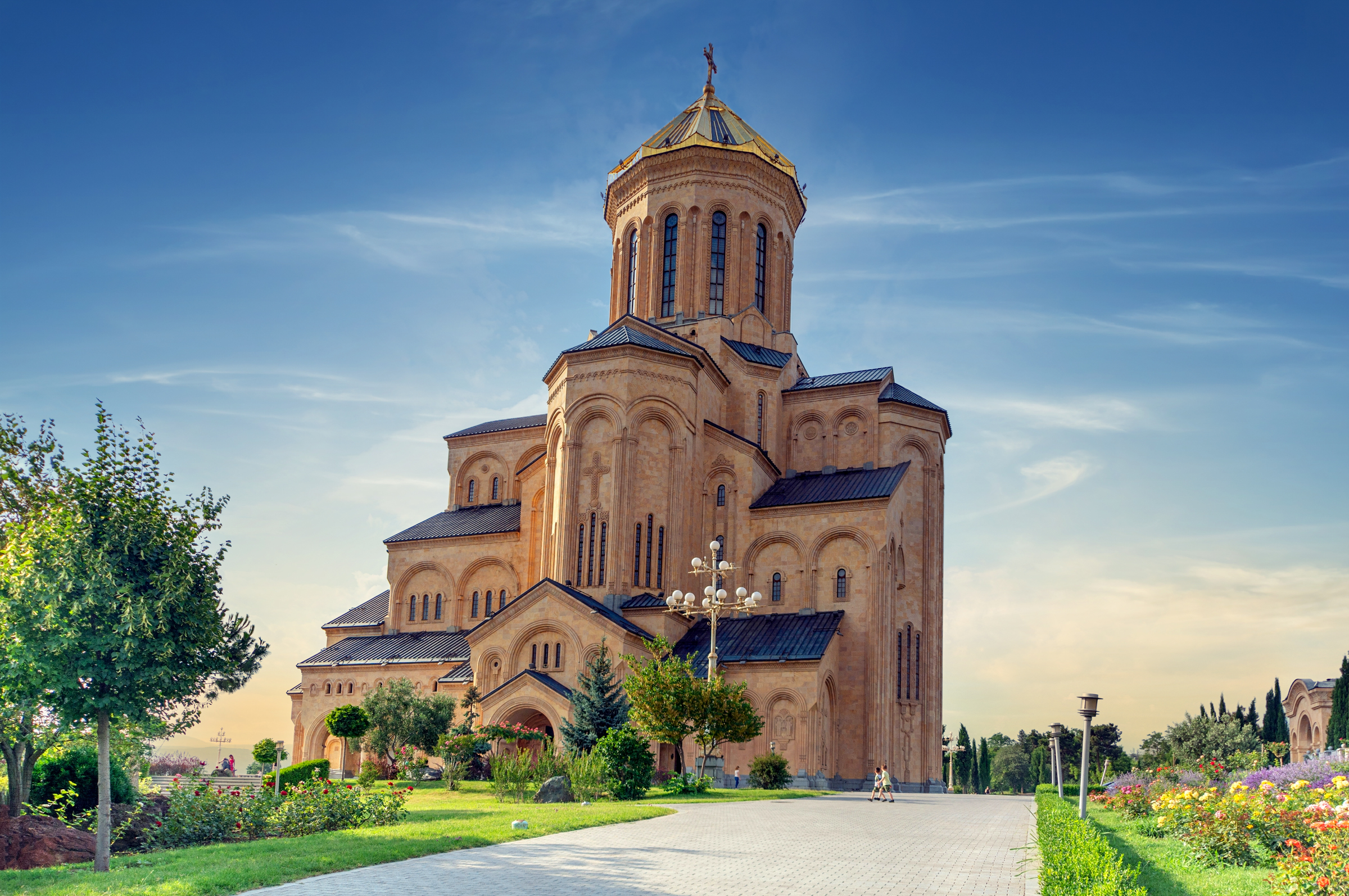
Holy Trinity Cathedral: One of the largest Orthodox cathedrals in the world.
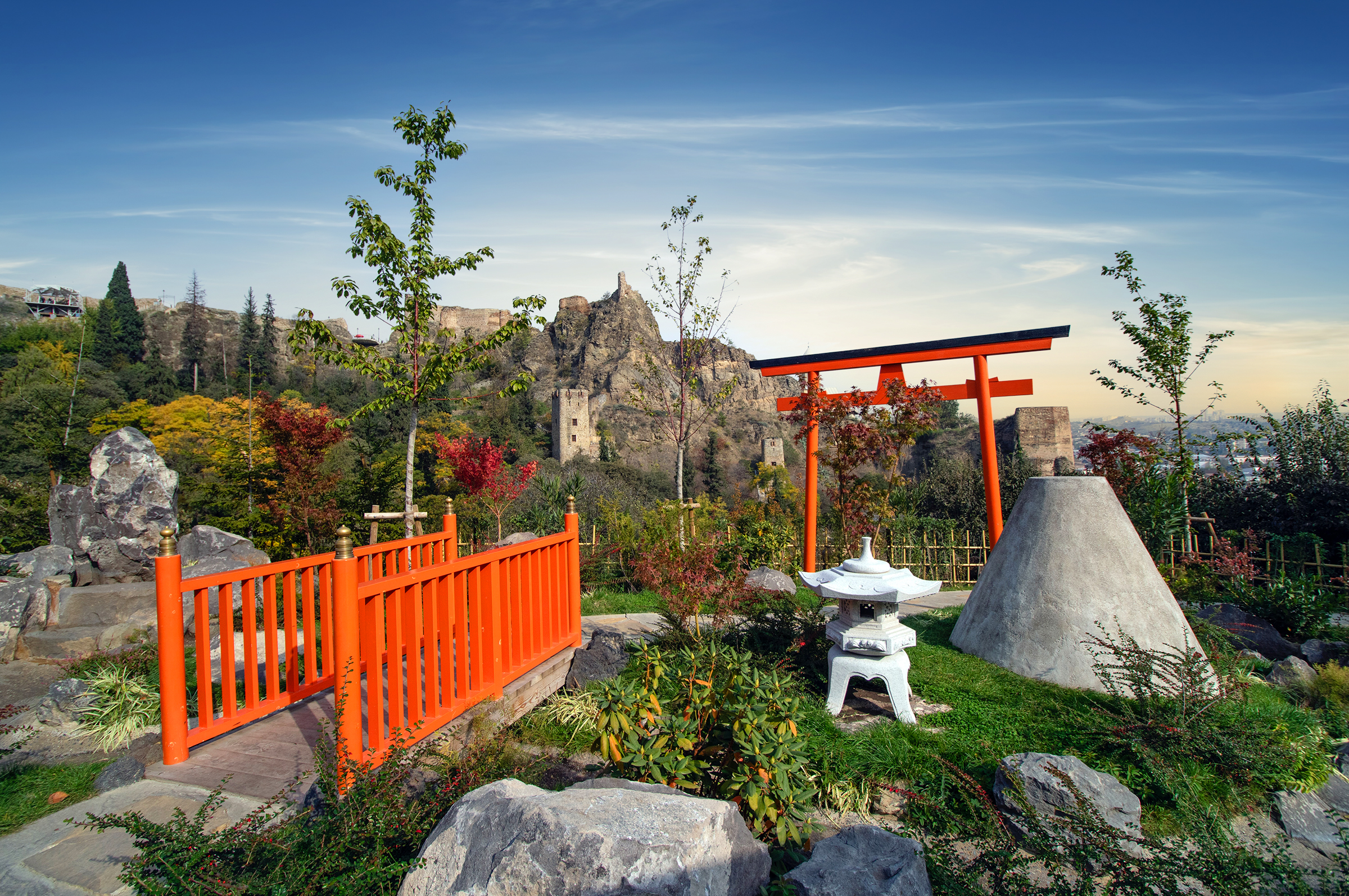
Tbilisi Botanical Garden: A lush retreat in the heart of the city.

Bakuriani (Ski Resort)​

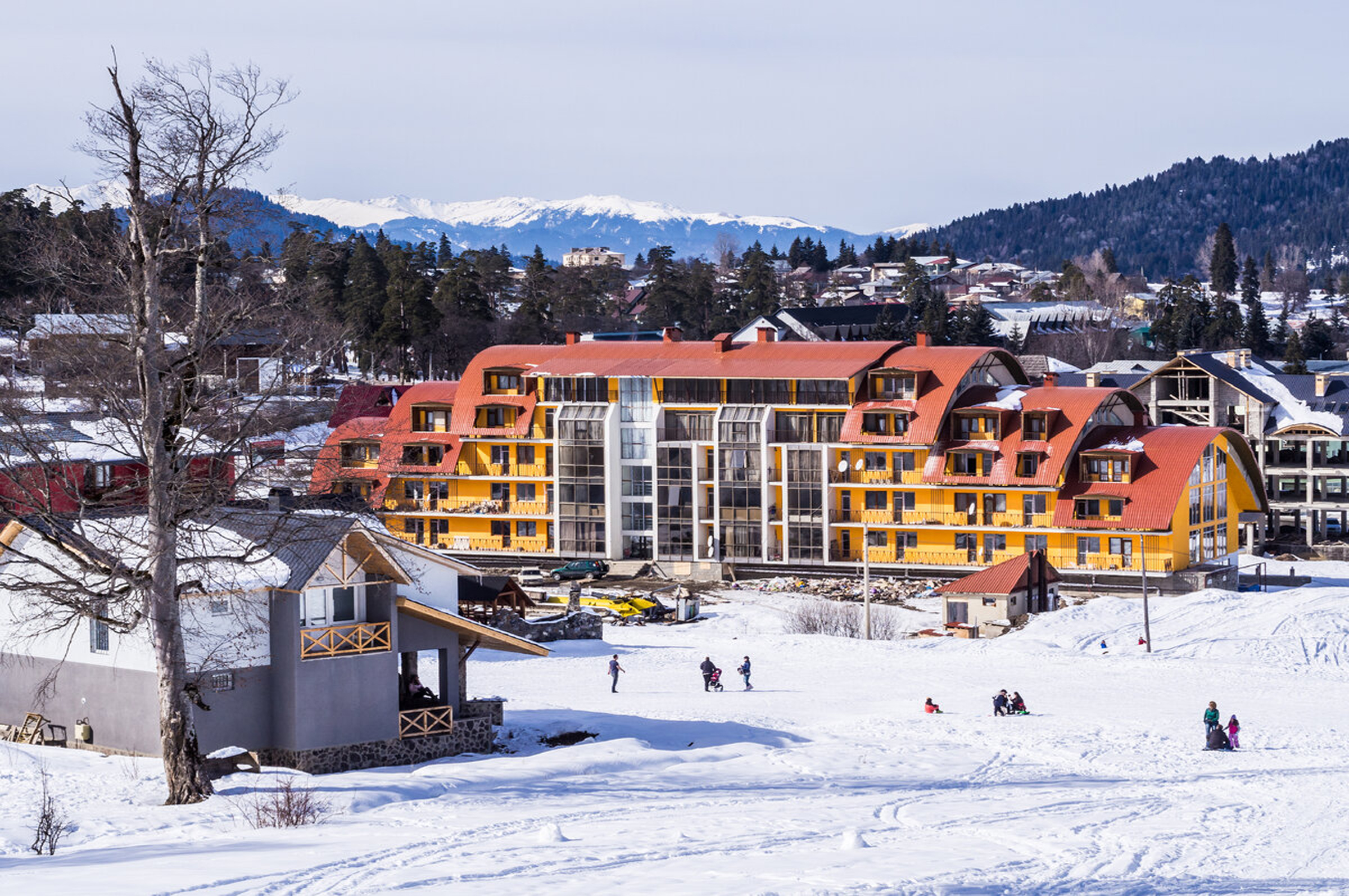
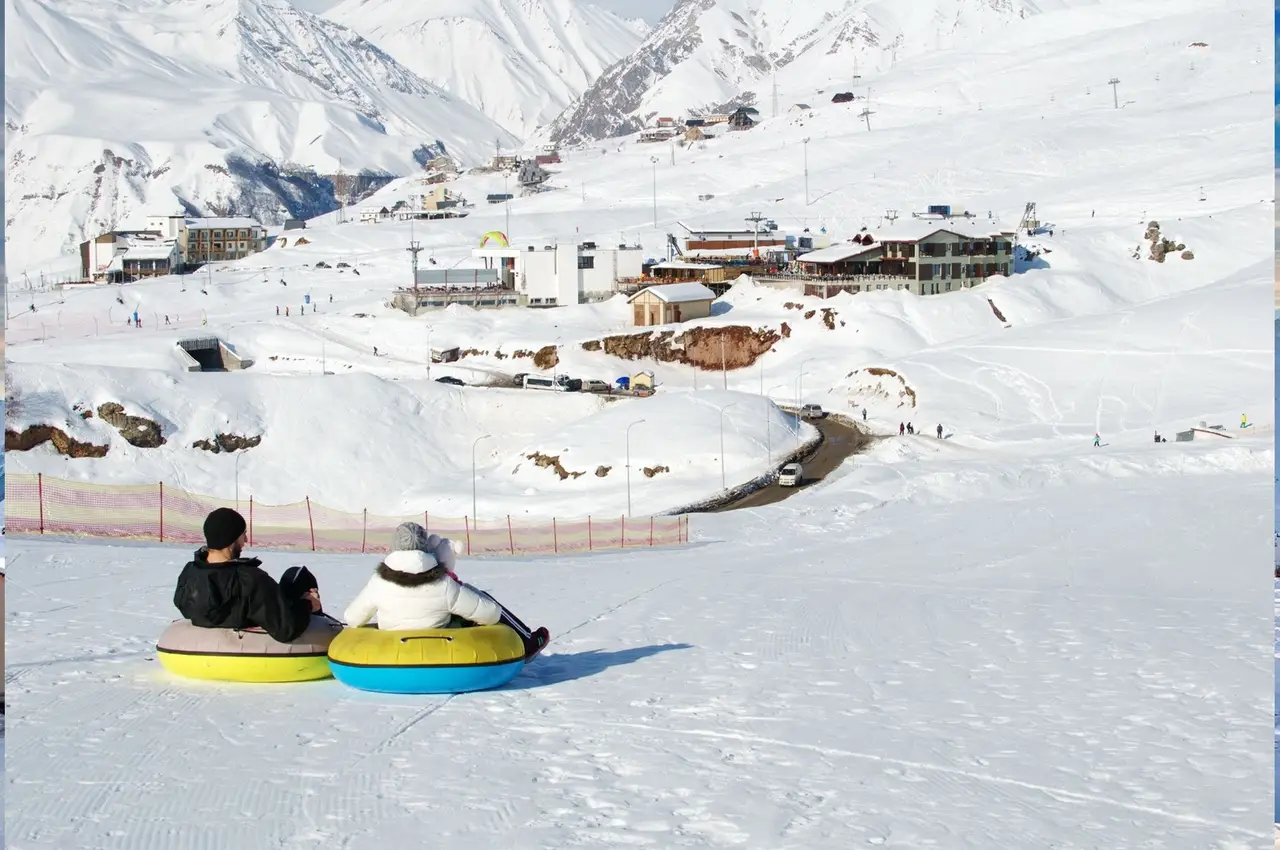
Bakuriani ski resort is situated 1700 m above sea level on the northern slope of Trialeti Range, at footsteps of the breathtaking Caucasus Mountains and 180 km to the north of the capital Tbilisi. Due to its long winters (4-5 months), the resort is a paradise for skiers and snowboarders alike. It is also a superb venue for children to engage in winter sports and activities. It is the best four-season mountain resort, ideal destination for recreational purposes as well as for sport and nature lovers. Modern developed ski area Didveli (1861m) and the oldest ski area Kokhta (2155m) are the beauties of Bakuriani. Here, different ski trails catering to all levels of skiers exposes maximum pleasure.

Batumi (Coastal City)​

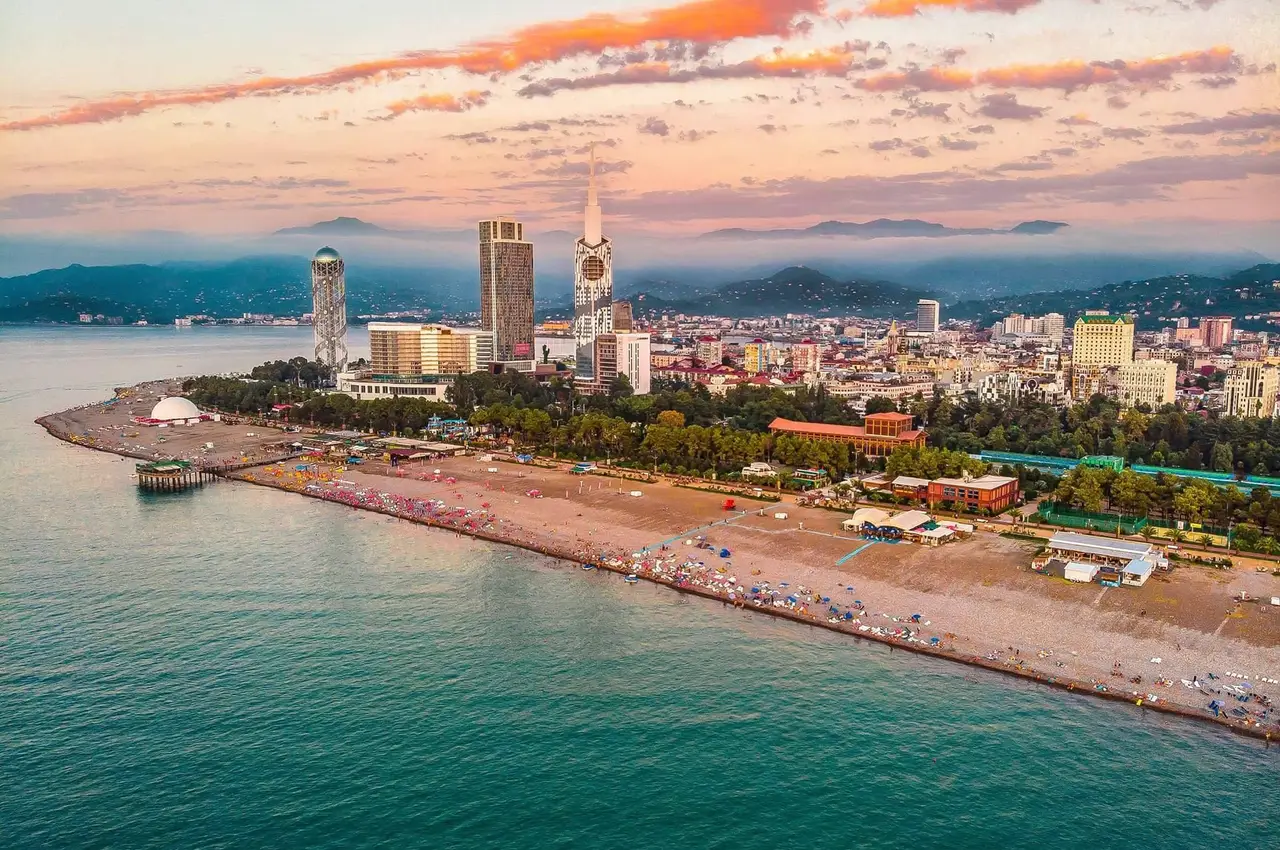
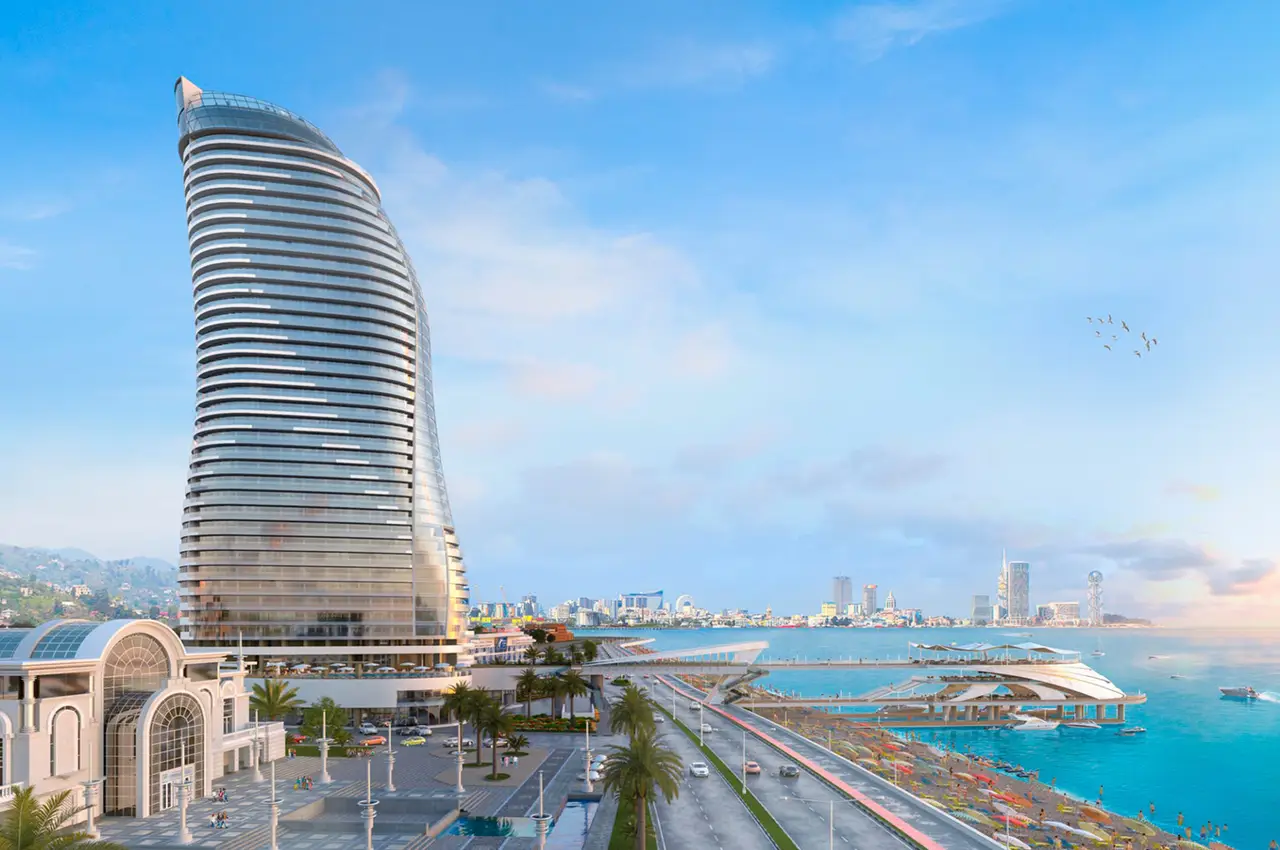
Located on the Black Sea coast, Batumi is known for its beaches and vibrant nightlife. Attractions include:

  • Batumi Boulevard: A scenic promenade ideal for walking and cycling.

  • Botanical Garden: Home to diverse plant species from around the world.


Bioli Wellness Center​

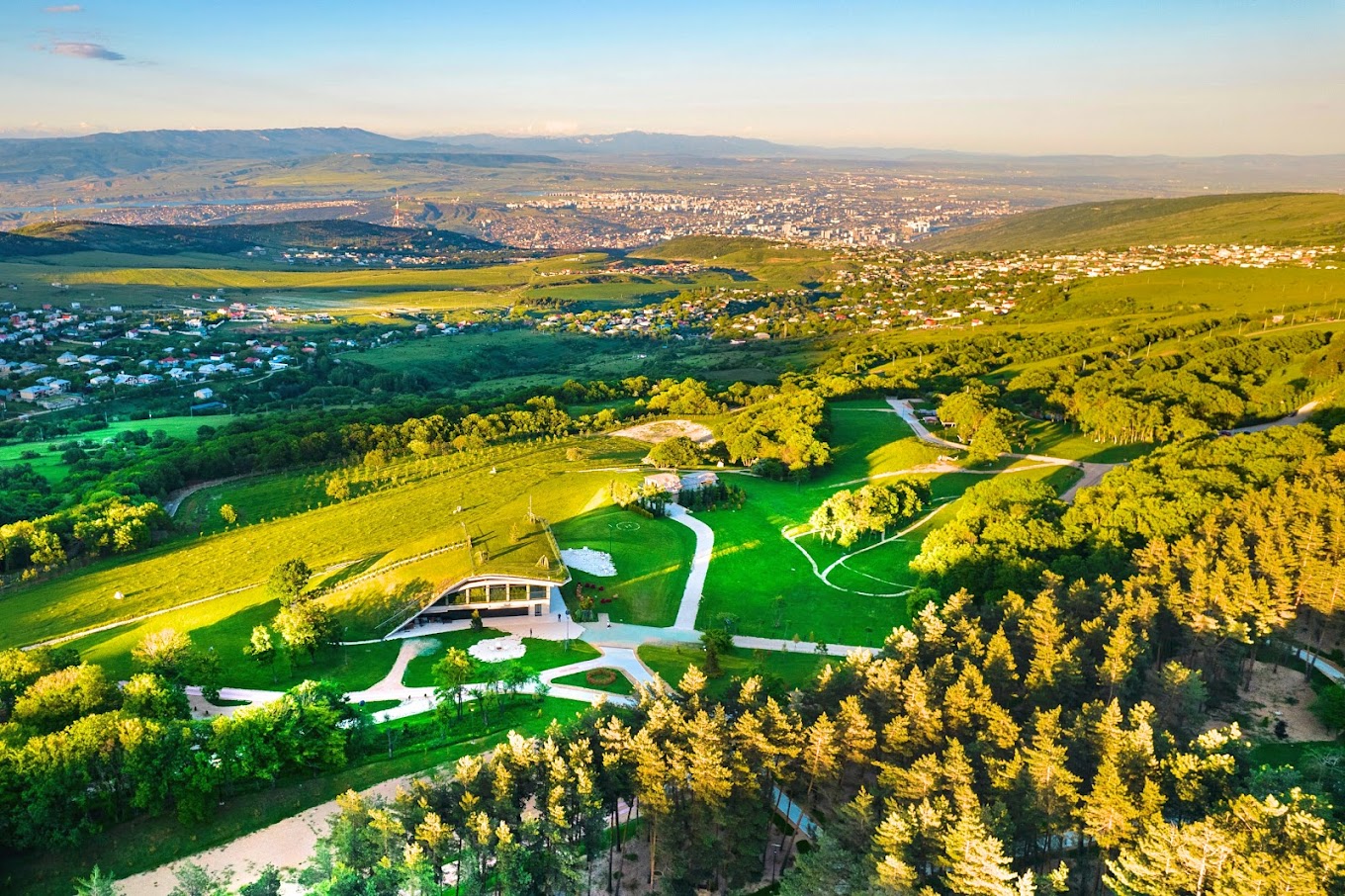
Located 9.3 mi from the center of Tbilisi, Bioli Welness Resort is located in the recreation area of Kojori. The winner of international award – Luxury Forest Resort in 2019, property offers wellness procedures and health resource management. Bioli features a specious terrace with panoramic views. Guests can enjoy hiking, yoga classes and fitness on-site. Massage can be enjoyed at a surcharge. At Bioli Wellness Resort guests can have a picnic at designated areas and spend time at outdoor fireplace for an enjoyable stay.


Gelati Monastery (Kutaisi)

Founded in 1106 in the west of Georgia, the Monastery of Gelati is a masterpiece of the Golden Age of medieval Georgia, a period of political strength and economic growth between the 11th and 13th centuries. It is characterized by the facades of smoothly hewn large blocks, balanced proportions and blind arches for exterior decoration. The Gelati monastery, one of the largest medieval Orthodox monasteries, was also a centre of science and education and the Academy it housed was one of the most important centres of culture in ancient Georgia.


Gori (Historic City)

Founded in 1106 by King David the Builder, Gelati Monastery near Kutaisi is a masterpiece of Georgian architecture and a significant center for learning during the Golden Age. The monastery houses stunning frescoes and mosaics, along with an academy that attracted scholars from across Europe. It is celebrated for its cultural and historical importance, making it a key site for visitors124.

Gudauri (Ski Resort)

 
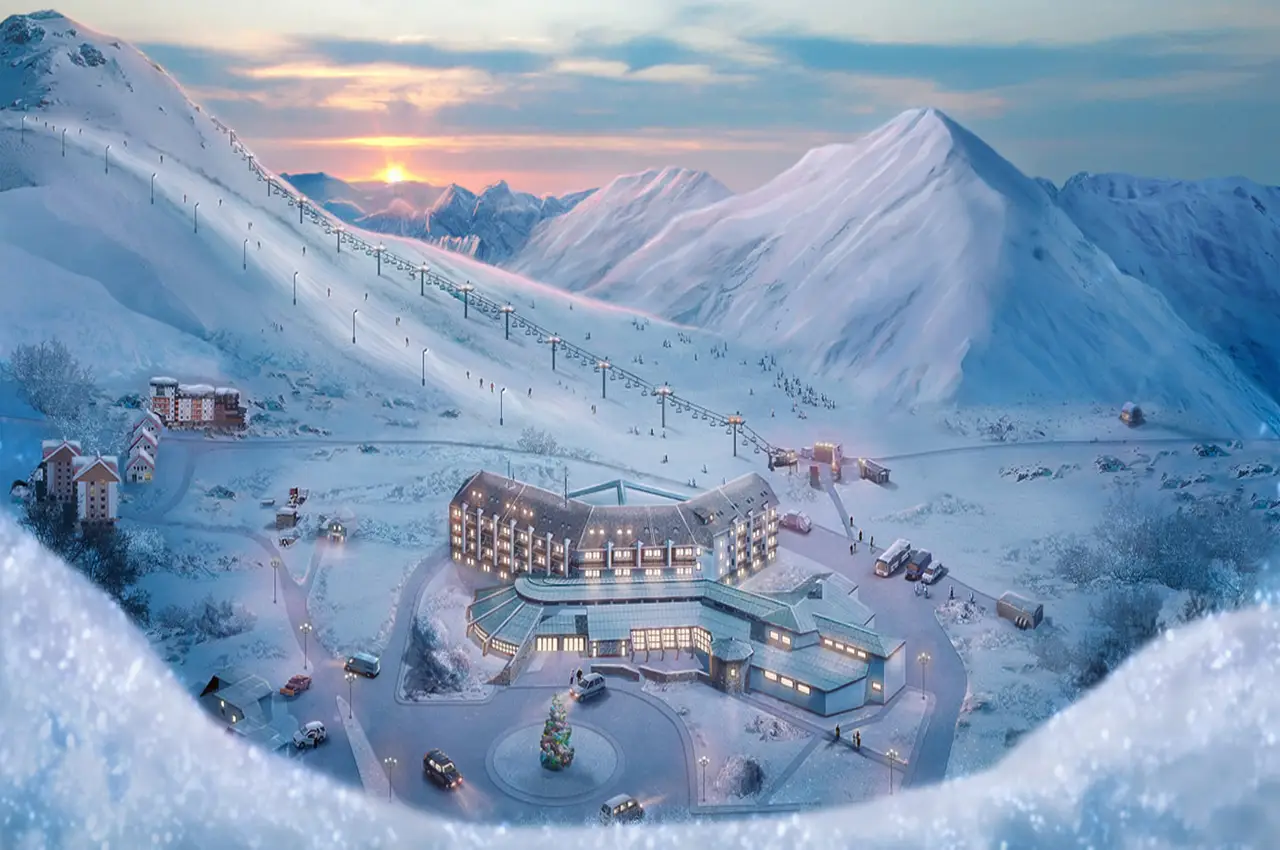
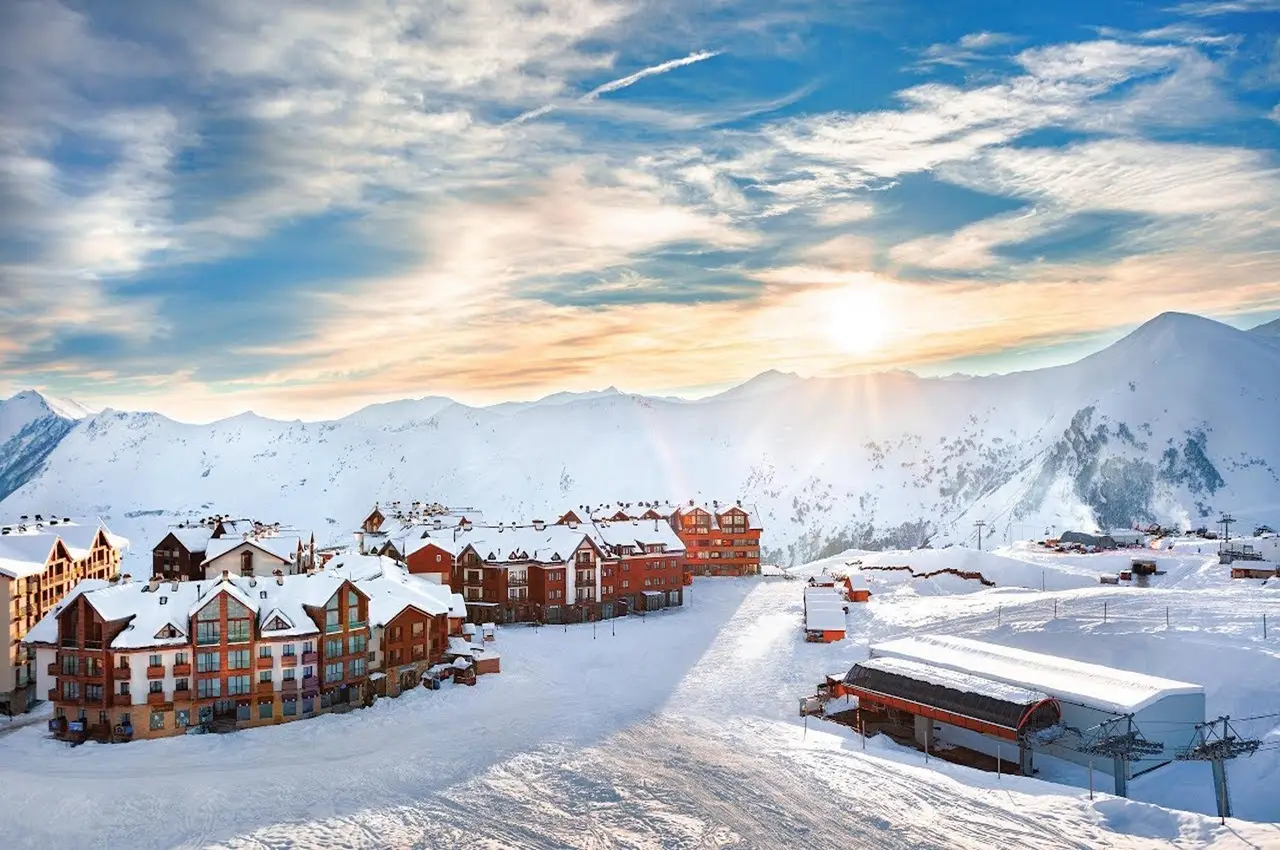
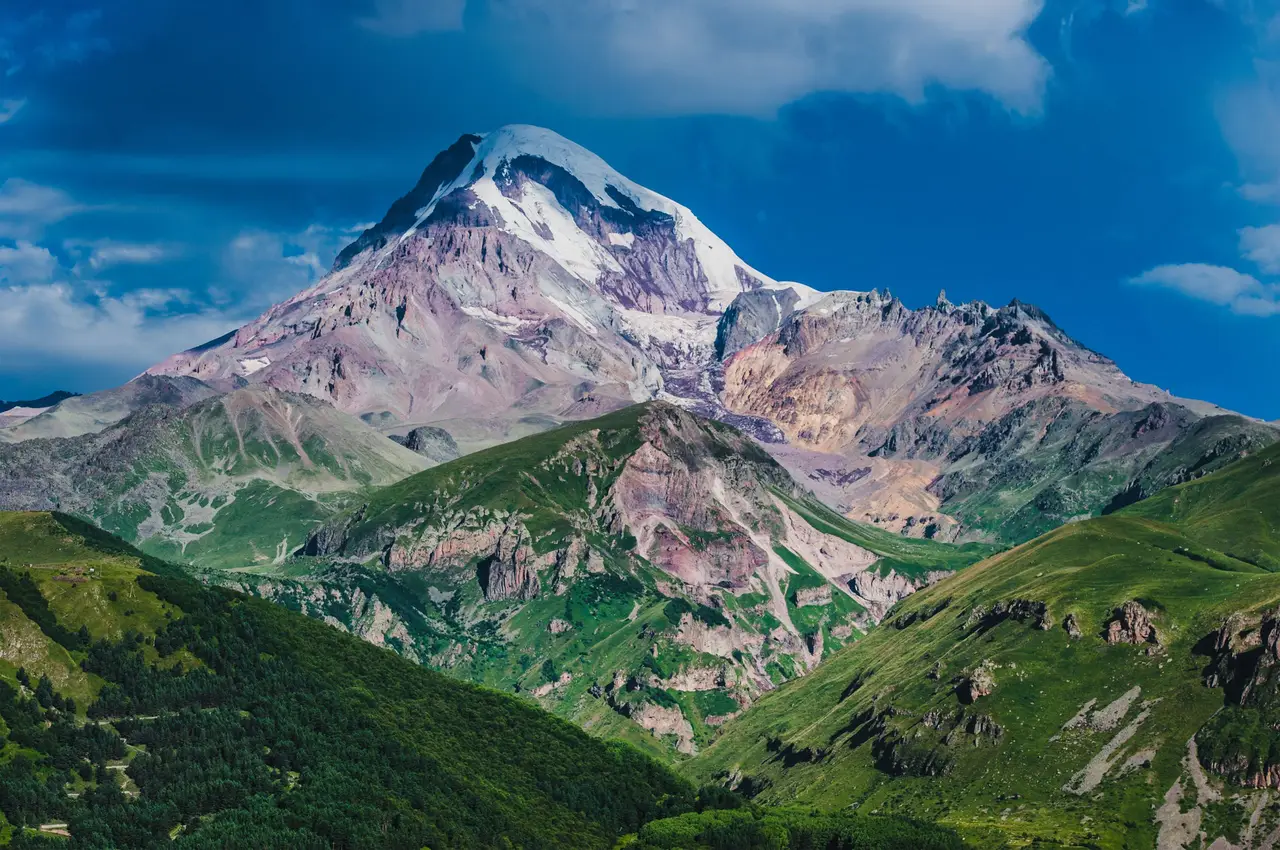
Gudauri is a ski resort located on the south-facing plateau of The Greater Caucasus Mountain Range in Georgia. The resort is situated in the Kazbegi Municipality, along the Georgian Military Highway near the Jvari Pass, at an elevation of 2,200 meters above sea level.

The largest ski resort in Georgia, Gudauri offers:

  • Over 35 kilometers of maintained trails.

  • Opportunities for freeriding and heli-skiing.

Holy Trinity Cathedral - Tbilisi

 
In May 1989, the Georgian Orthodox Patriarchate and the authorities of Tbilisi announced an international contest for the “Holy Trinity Cathedral” project. No winner was chosen at the first round of the contest when more than a hundred projects were submitted. Finally the design by architect Archil Mindiashvili won. The subsequent turbulent years of civil unrest in Georgia deferred this grandiose plan for six years, and it was not until 23 November 1995, that the foundation of the new cathedral was laid.

Kazbegi Waterfalls (Stepantsminda)

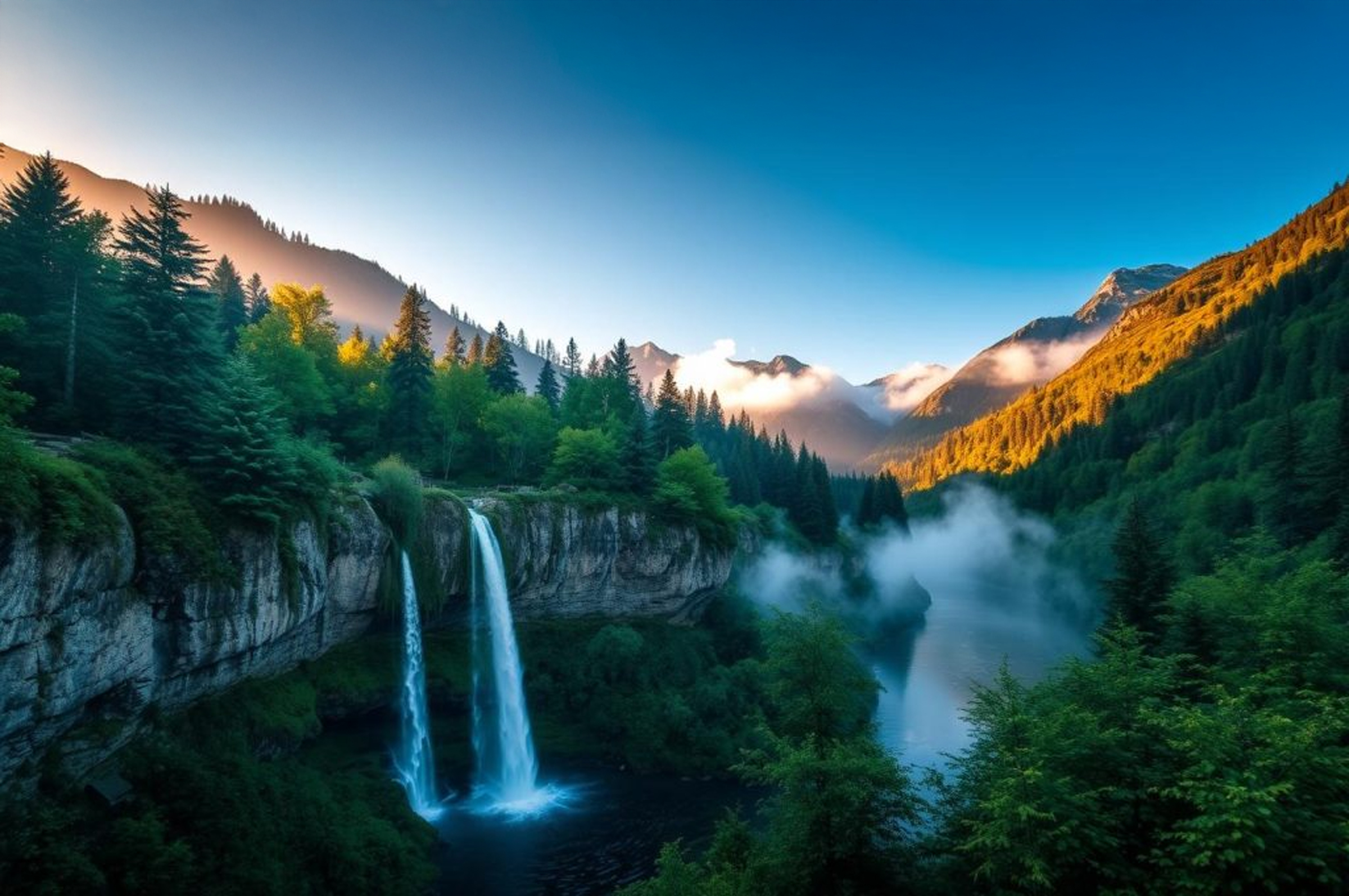
Kazbegi is home to many hidden gems, including stunning waterfalls. While Gveleti is famous, there are many secret spots to explore. These places show the untouched beauty of nature.

Exploring off the beaten path leads to peaceful spots. Each waterfall has its own charm and is perfect for photos or quiet moments. The best time to see them is May to September, when the water flows well and the area is full of color.

Svaneti Valley (Mestia)

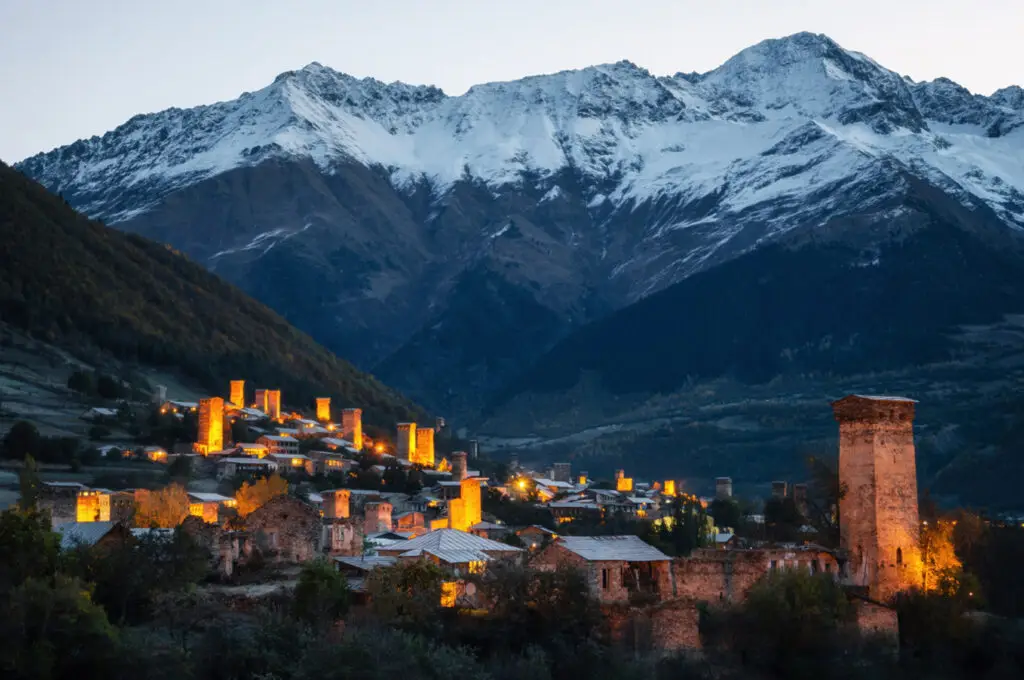
Mestia, the administrative center of Upper Svaneti (or Zemo). Like most Svan towns, Mestia is a collection of several villages along the valley floor. However, the town’s center is easily recognizable with a funky police station and a lovely European-style central square.

Mestia is a natural home base for any first-time visitors to the region. Short of a large 24-hour supermarket, it has all the amenities that you would need. The town’s center has a dozen tourist-friendly restaurants and some with nightly performances of Svan music and dances. Also around the square are several banks, ATMs, small shops, and marushka stops to Zugdidi, Ushguili, and other less-traveled destinations. Mestia is also home to the world’s largest collections of unique Svan defense towers.

We Provide Packages Personalized for Your Enjoyment